
 Deutsch
City
Smog and Air
Where smog comes from, how far it spreads, what it does to residential areas and how to lay out your city properly.
Jogger
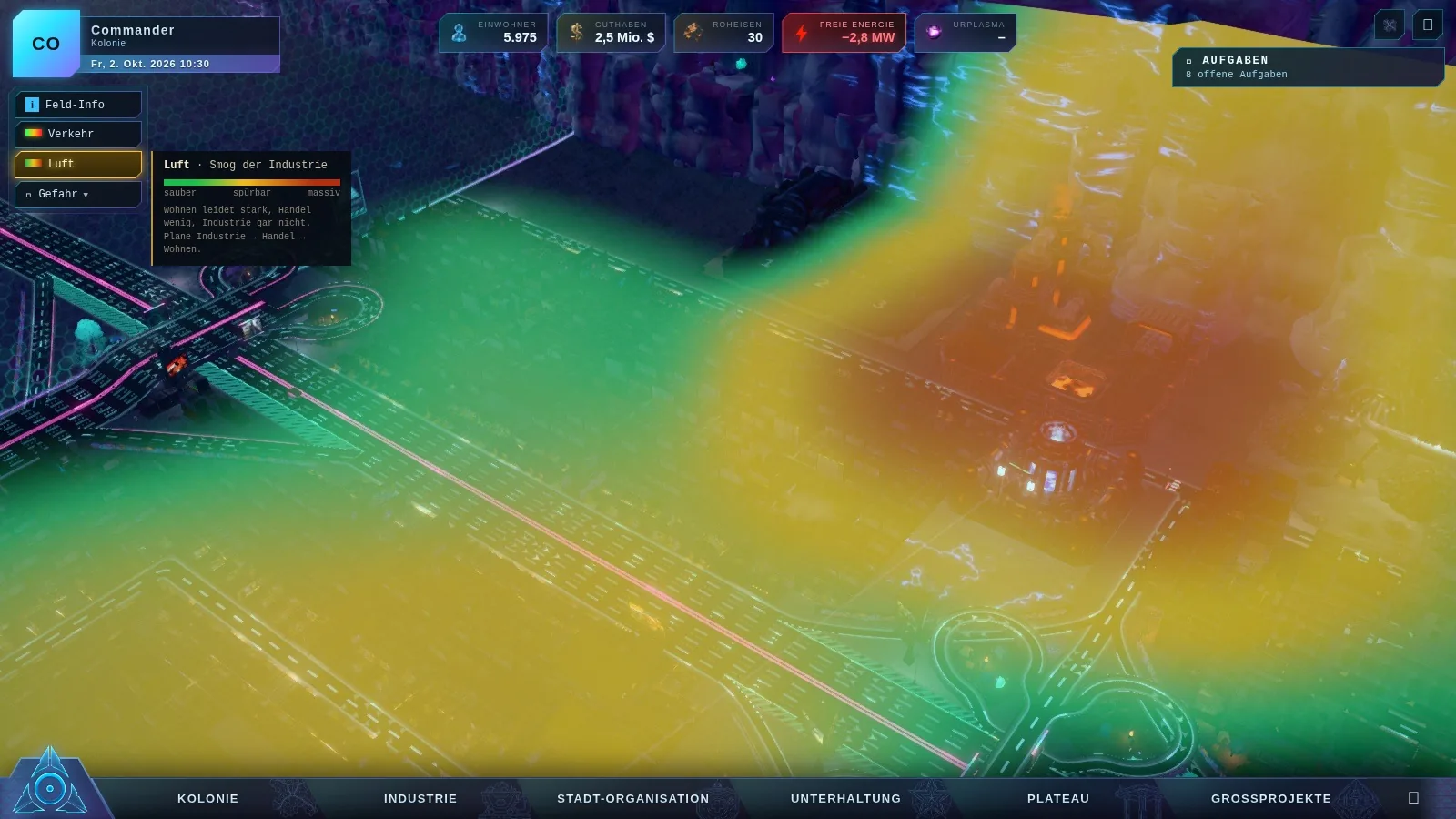
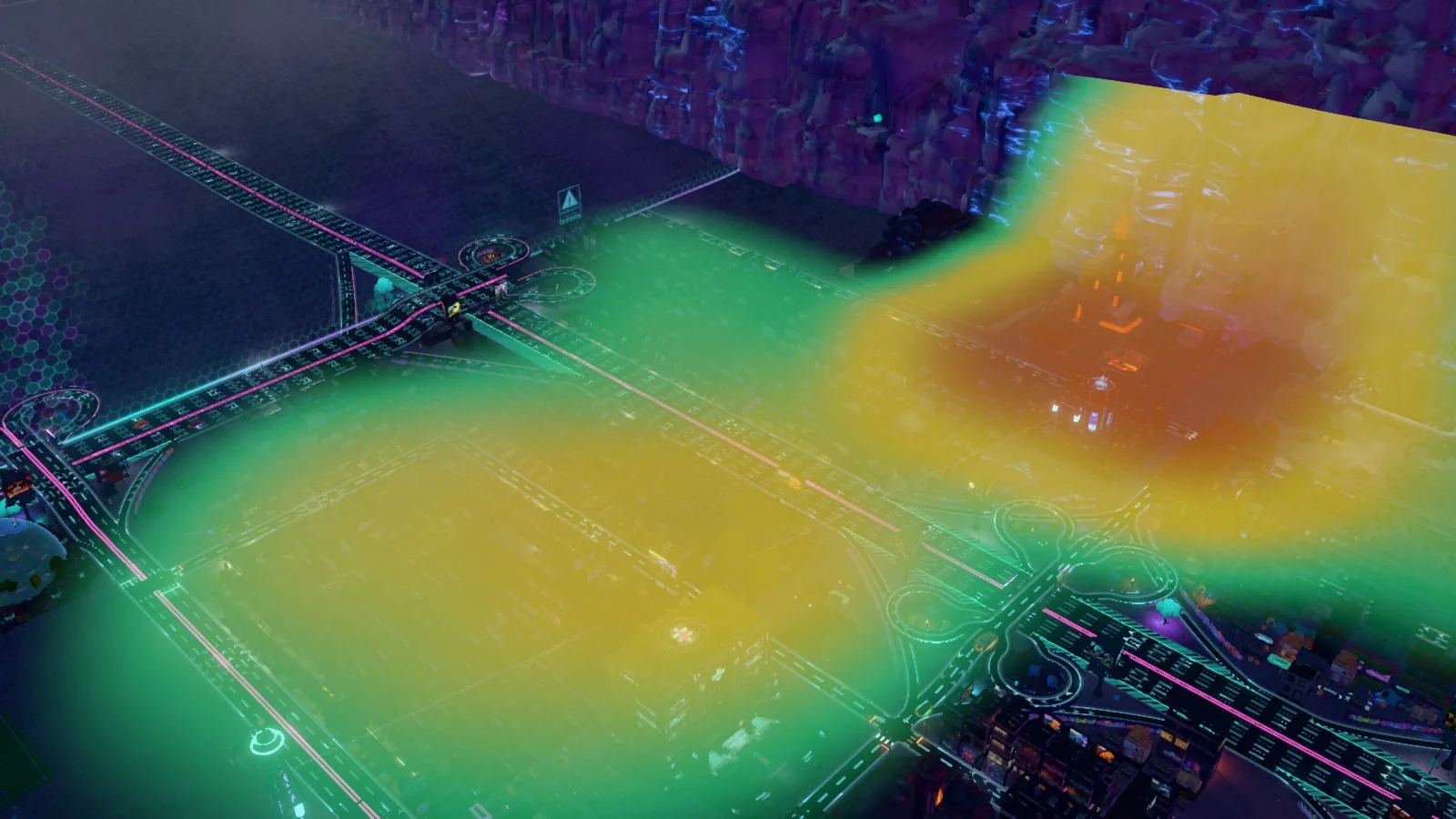
A dirty yellow-brown blanket hangs over the industrial district: smog. It drifts into the neighborhood and makes living there unpopular.
Where it comes from
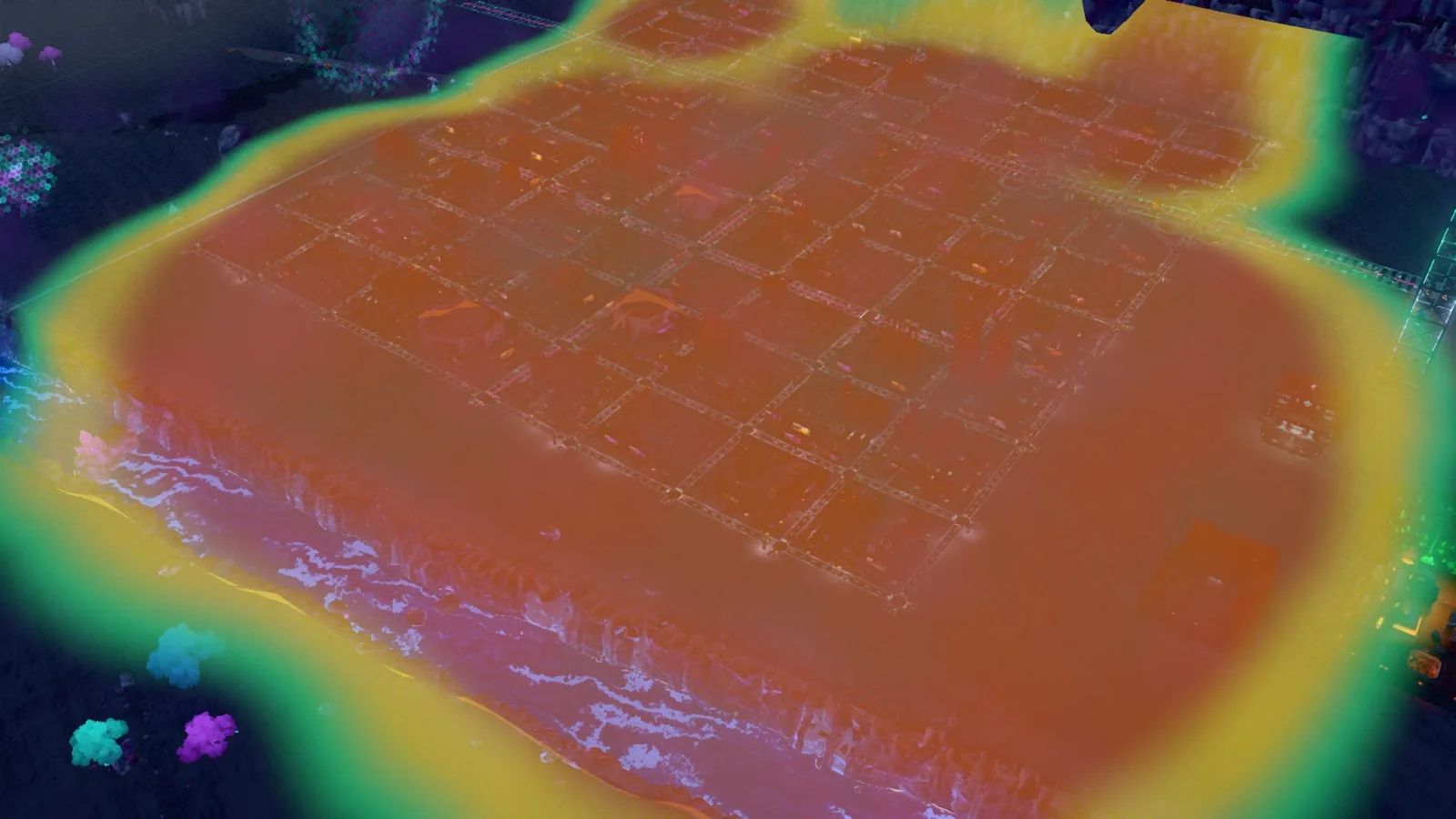
- Industrial businesses: large factories more than small workshops, chemical plants, foundries and steel works the most, offices hardly at all. Depending on the business the smog spreads 8 to 42 tiles.
- Blast furnace: no building makes more smog. Do not build it next to residential areas.
- Mines and thermal power plant a little, the fusion power plant hardly any.
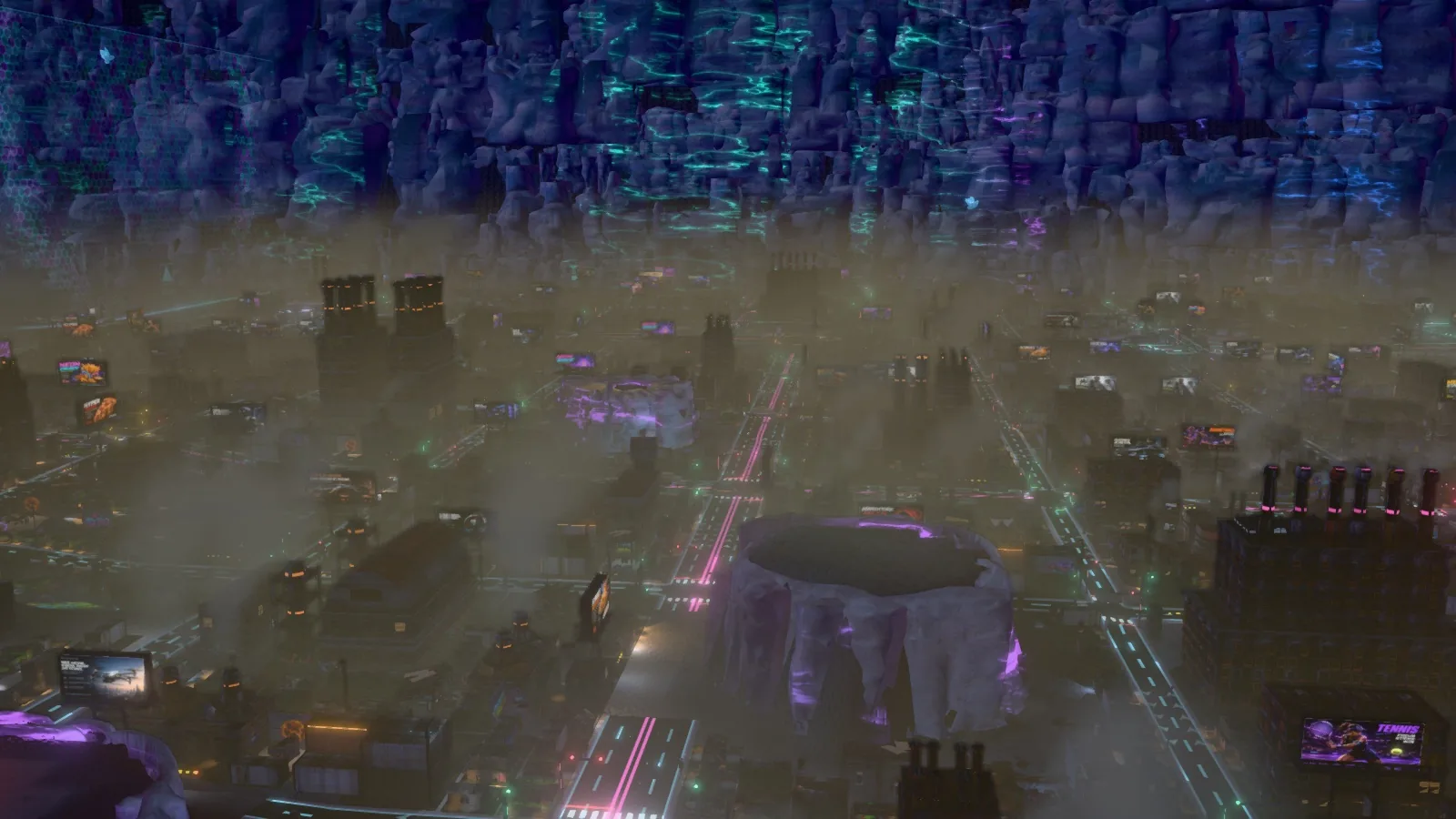
The wind blows from north-northwest. On the downwind side the smog spreads farther.
What it does
| District | Effect |
|---|---|
| Residential | less quality of life, less popularity, less rent. Dense apartments suffer more than family homes. |
| Commercial | a small penalty, trade acts as a buffer |
| Industrial | nothing |

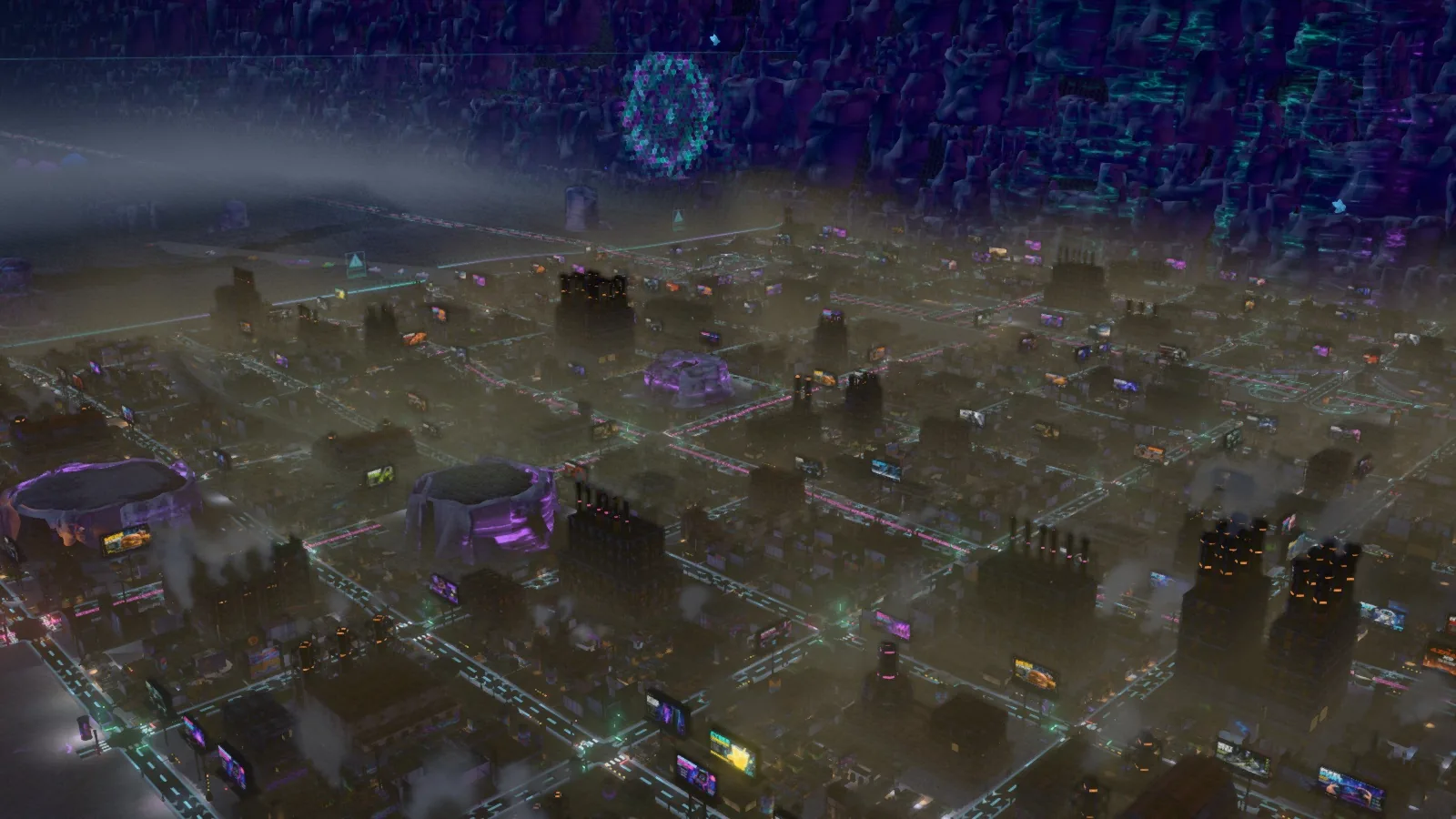
Bad air also makes people sick and discontent (Hazards in the City, Discontent).
Jobs still count as positive: the field info clearly separates "I have work nearby" from "industry is polluting my air".
The right layout
Industry → trade → housing. A strip of dense district between industry and housing absorbs a lot. With enough distance the air in the residential area stays clean.
What helps
- An open park reduces the smog around it by 35%. Several parks work together, but at most by 60%. Smog can never be fully neutralized.
- The Air button (key L) colors the map from green through yellow to reddish brown.
- If you zone housing right next to industry, the game warns you.