
 Deutsch
Safety
Hazards in the City
Crime, fire risk and disease: where they come from, whom they hurt and how police, fire department and hospital keep them down.
Firefighter
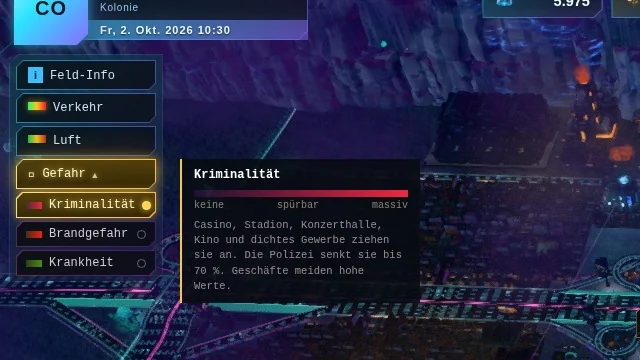
Every tile in your city carries three hazard values: crime, fire risk and disease. You see them in the field info and on the map via the "Hazard" button (key G). There you switch each hazard on separately, or several at once.
Who has which hazard
| Hazard | Strong in | Sources nearby |
|---|---|---|
| Crime | dense districts with many shops | casino (strongest), stadium, arena, concert hall, cinema, school |
| Fire risk | industry, above all welding shops, foundries, chemical plants and tank farms | blast furnace, thermal power plant, kryptonite and spice mine, pig iron mine, Space Burger, food stalls and fire barrels in the backlots |
| Disease | industry with lots of smog and crowded areas | smog, blast furnace, kryptonite mine, bus stops (slightly), storage in the backlots |
Open districts are calmer: less crime, hardly any fires. In dense districts you need the services much sooner.
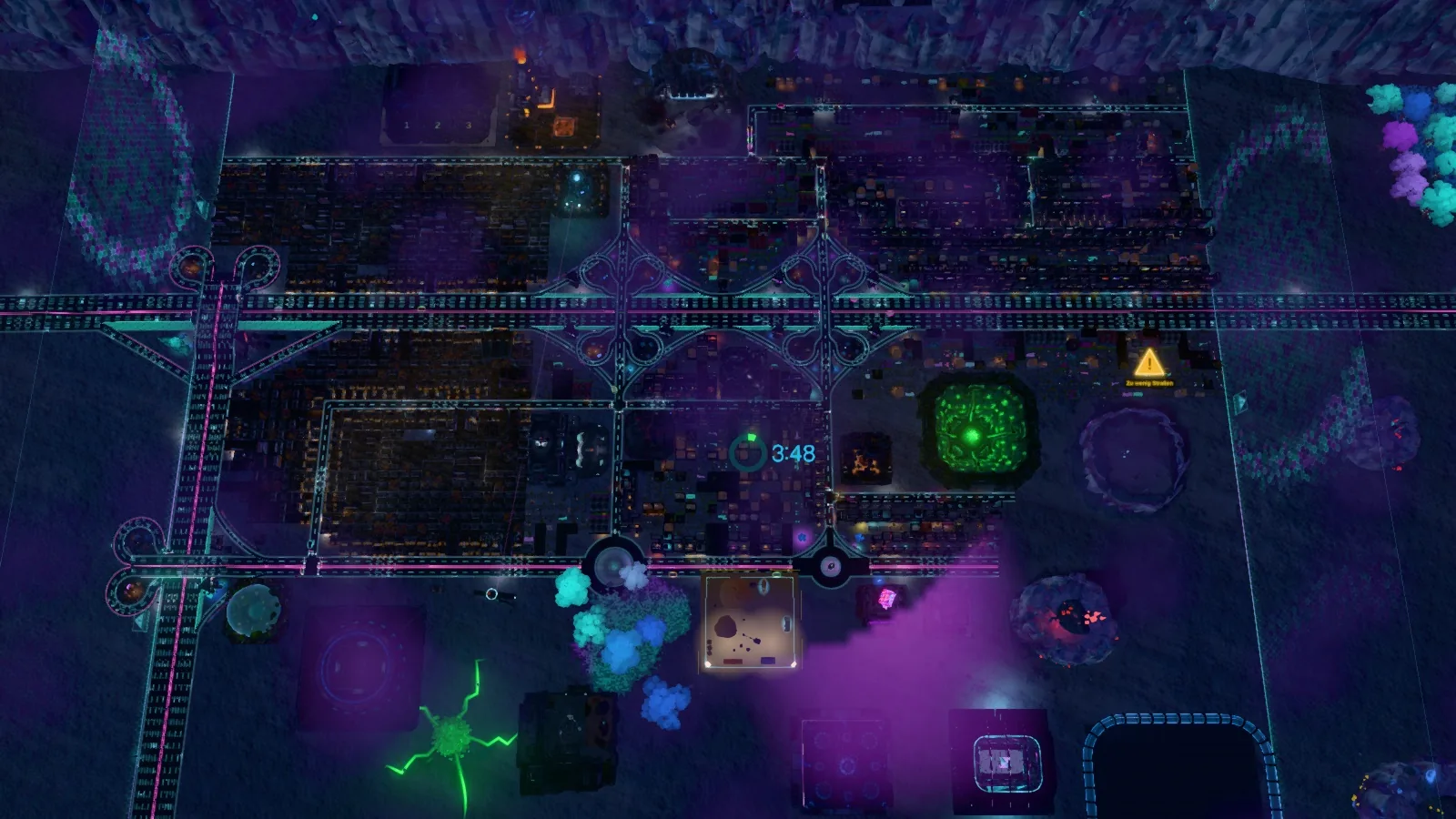
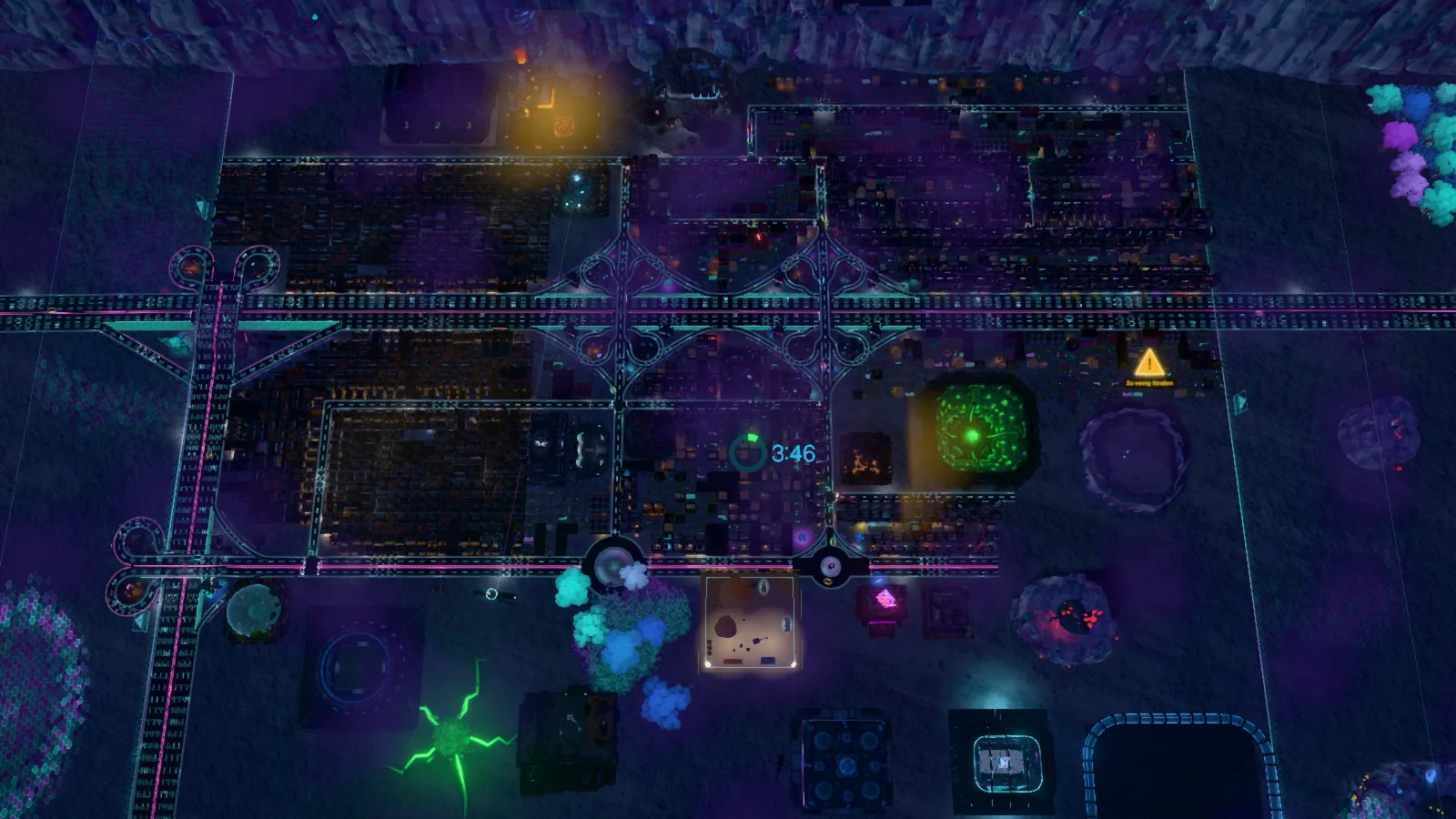
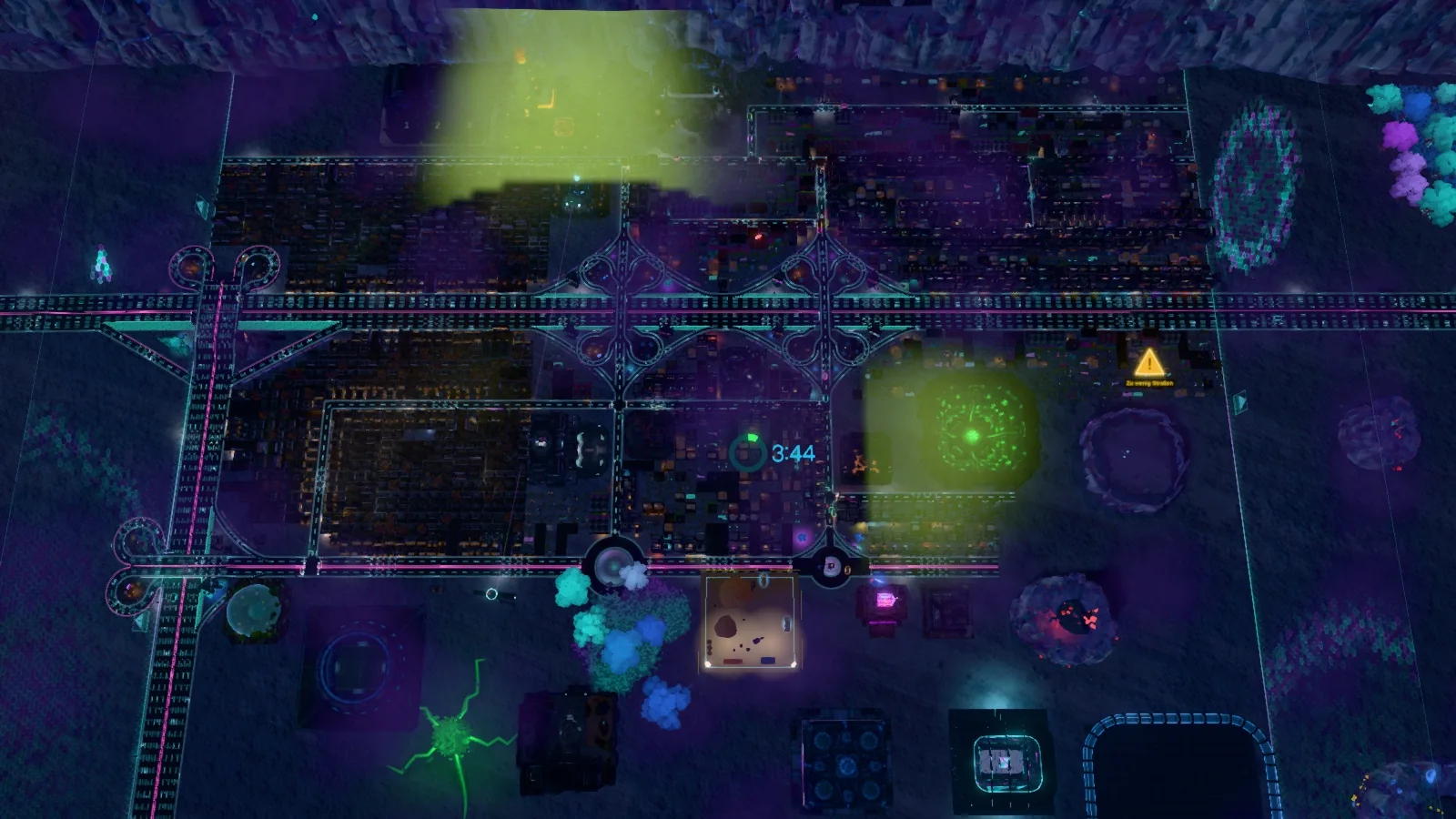
What hazards do
- Crime drives customers away. Shops earn less, residential areas lose some value.
- Fire risk means more fires. If the fire department arrives too late, fire protection in the area drops.
- Disease slows the growth of residential areas and fills the hospital.
What helps
Each service dampens its hazard within its reach. The police push crime down by up to 70%, fire department and hospital reduce fire risk and disease by up to 60%. How well they manage depends on their performance (Running the Services).